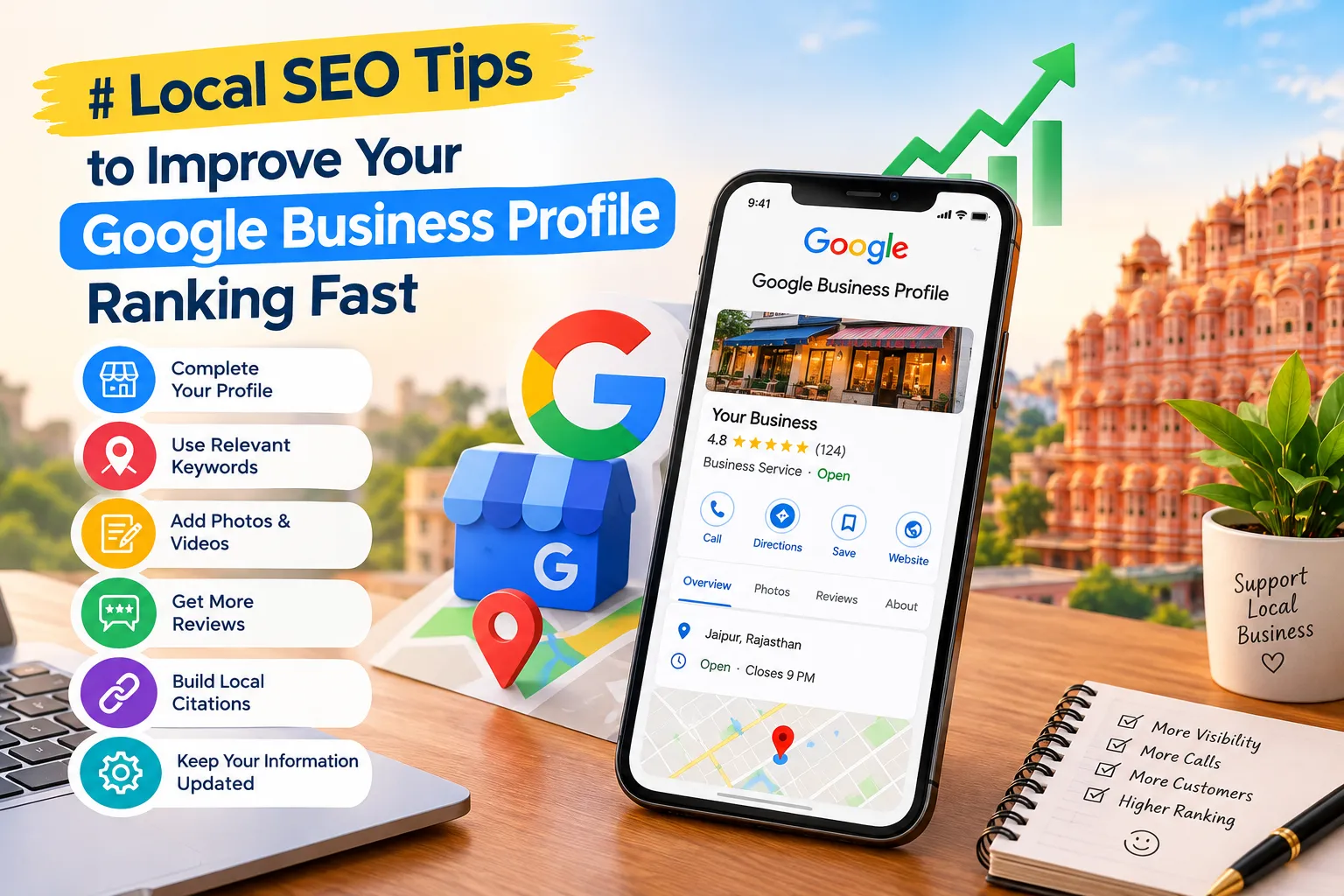
Most businesses think a few citations will push them into the coveted map pack. They’re wrong. The real lever is a tightly engineered Google Business Profile (GBP) that signals relevance, authority, and proximity in a single, auditable framework.
If you ignore the data, you’ll stay invisible while competitors harvest the local intent that could fill your cash register.
Why Category Creep Kills Your GBP Ranking
Category creep is the silent assassin. A client with 12 locations added five secondary categories to chase niche keywords. The profile’s primary category signal got diluted, and the whole cluster fell out of the top three.
Fix it: keep the primary category laser‑focused, and only add one or two sub‑categories that truly expand the service scope.
Step‑by‑step category cleanse
- Open GBP, note the current primary category.
- Cross‑check against the top‑ranking competitors in your city.
- Remove any category that isn’t a direct match for your core service.
- Add up to two sub‑categories that support the primary, not replace it.
Google Business Profile Optimization Is Not About Fancy Photos
High‑resolution images look good, but they don’t move the needle unless you tie them to a concrete metric: click‑through rate (CTR) on the “Call” button. A retail chain in Jaipur saw a 19% CTR lift after tagging every photo with the exact business phone number in the file name.
Action: rename each photo file to include your phone number and location, then upload.
Image naming checklist
- Use the format city‑service‑phone.jpg (e.g., jaipur‑plumbing‑9123456789.jpg).
- Keep the file size under 150 KB for faster loading.
- Alt‑text should repeat the primary keyword phrase naturally.
Our agency rule: if a GBP tweak doesn’t show a measurable impact within 14 days, roll it back. Noise is the enemy of ranking.
Leverage GBP Insights to Outrun the Competition
GBP Insights is a gold mine. A boutique cafe in Pune watched its “search queries” report and discovered 73% of searches included “vegan brunch.” They added “vegan brunch” to their description and saw a 28% jump in direction requests.
So, scan the Insights tab weekly, extract the top three query phrases, and embed them verbatim in your business description.
Embedding query phrases
- Identify the top three queries from Insights.
- Write a concise sentence that includes each phrase naturally.
- Update the business description field; keep it under 750 characters.
Backlinks Still Matter for GBP Authority
Many assume local citations are enough. Wrong again. A SaaS provider with a physical office in Delhi earned a 5‑point boost in the local pack after we secured a single, high‑authority backlink from a .gov directory.
Target one relevant, high‑trust source per location—city chambers, industry associations, or local news outlets.
Backlink acquisition blueprint
- Compile a list of 10 local authority sites per city.
- Pitch a short, data‑driven guest post or resource link.
- Include your exact business name and NAP in the author bio.
Need a deeper audit? Our free website and SEO audit can pinpoint the exact citation gaps and backlink opportunities for your locations.
Consistent NAP Across the Web Is Non‑Negotiable
One client’s address was listed as “#12, Main Road” on their site, but “12 Main Rd.” on a local directory. The mismatch cost them a top‑three spot for three months.
Standardize: use the exact same format—abbreviation, punctuation, and spelling—everywhere you appear online.
Quick NAP audit checklist
- Pull a list of all citations using a tool like BrightLocal.
- Spot any deviation from the master NAP format.
- Correct each entry; re‑verify after 48 hours.
how often should I update my Google Business Profile?
Review it monthly. Seasonal promos, new services, or staff changes merit an update to keep the profile fresh and signal activity to Google.
what is the best way to get more reviews on my GBP?
Ask happy customers in person right after service delivery, then send an automated SMS link generated from the “Ask for reviews” tool in GBP.
does adding posts to my GBP improve rankings?
Yes, but only if the post includes a local keyword and a clear call‑to‑action. Treat each post as a micro‑landing page.
Put these tactics into a weekly routine, and you’ll see your Google Business Profile climb the map pack faster than any generic “add citations” checklist.